







Travelling to Nepal? A Travel Information Guide! test
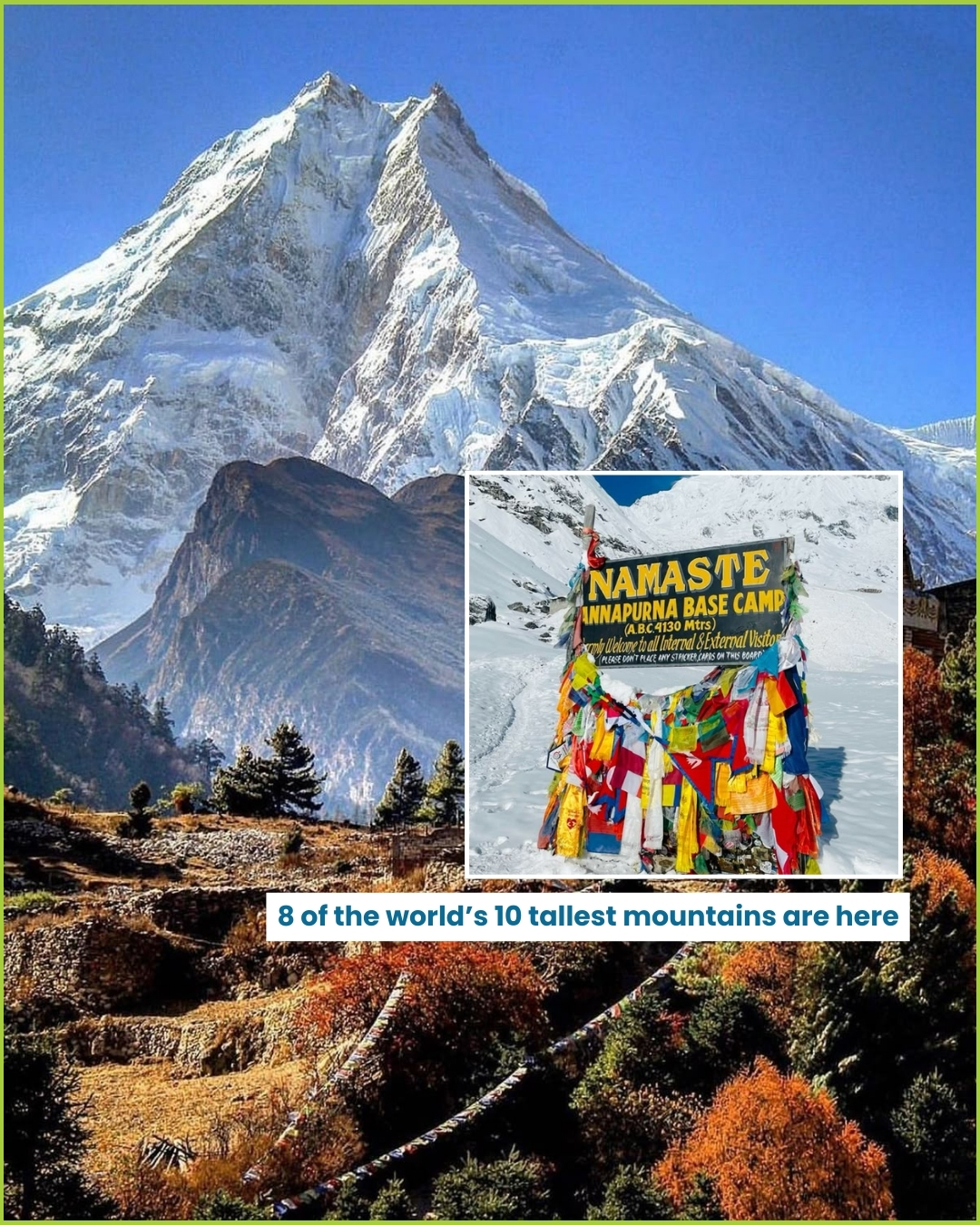
Planning a trip to Nepal from Australia? A country smaller than Victoria, Nepal manages to squeeze eight of the world’s ten tallest mountains, UNESCO temples within walking distance of each other, one-horned rhinoceroses in subtropical jungle, and a food culture built around freshly steamed momo and communal Dal Bhat that far exceeds most expectations.
A successful Nepal trip comes down to good planning. Your departure city, flight connections, travel season, altitude, road conditions, accommodations, permits, insurance and itinerary all affect how smoothly the journey comes together.
In a Nutshell
- Nepal does not have to mean trekking: Kathmandu, Pokhara, Chitwan, Lumbini, food, culture and mountain flights make a full holiday on their own
- Typical holiday length: Seven to ten days does the job neatly. Want to trek or add a destination? Go a fortnight plus
- Travel insurance matters: Particularly important for trekking and adventure activities, including checking altitude and medical evacuation cover.
- Road travel needs flexibility: Landslides, flooding, traffic and weather can affect journey times
- Visa fees: Straightforward, tiered by how long you’re staying, more on that below
- Australians need a visa: Eligible passport holders can sort one on arrival at Tribhuvan International Airport
- Best time for trekking: March to May and September to November, autumn tends to offer clearer mountain views
Flying to Nepal from Australia
Before Kathmandu even appears on the horizon, most Australians are routed through somewhere else entirely first.
Tribhuvan International Airport has long been Nepal’s only international gateway, but that’s changing. Flydubai now flies direct between Dubai and Pokhara, giving travellers a straight route into Nepal’s tourism capital without transiting Kathmandu first. Bhairahawa’s Gautam Buddha International Airport adds another option too, putting Lumbini within easy reach. Where you land in Nepal is starting to matter as much as how you get there.
Don’t grab the first flight that pops up. Look at the whole journey instead.
Things worth checking:
- What happens if the first flight is delayed
- Domestic connections after arrival
- Airline schedules
- Overnight connections
- Arrival time in Kathmandu
- Baggage allowance
- Airport or terminal changes
- Connection duration
- Total journey time
A 10am landing beats a midnight one, hands down, more readily than shaving two hours off your total travel time ever could. Especially with sightseeing or a transfer waiting that same day.
Hunting for flights from Melbourne to Kathmandu or flights from Sydney to Kathmandu? Judge the whole trip, not the fare glowing on your screen.
Transit Hubs for Australia to Kathmandu Flights
Related Blogs
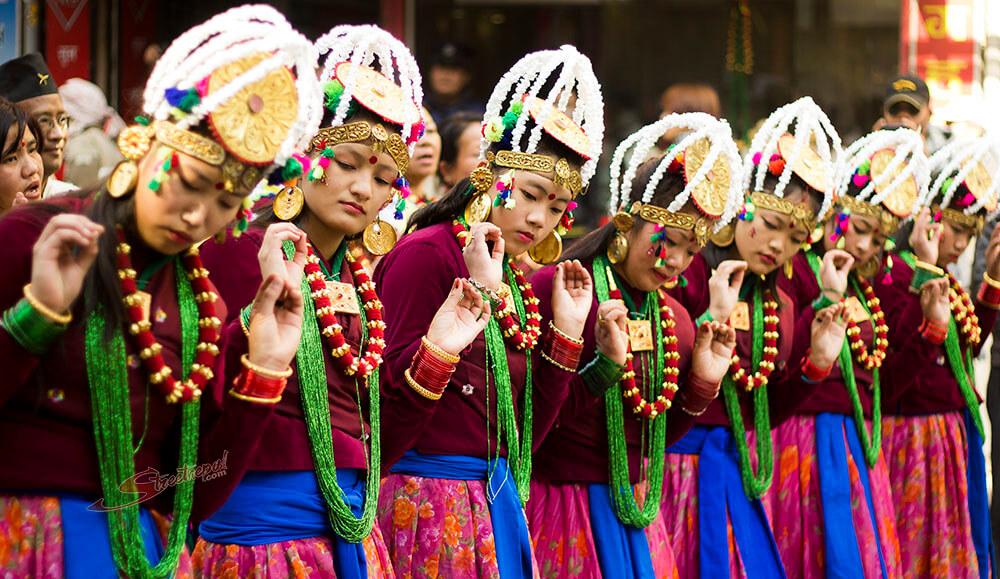
5 Mistakes to Avoid When Booking Your Next Adventure
Planning a vacation can be both exhilarating and overwhelming. With the excitement of selecting destinations, activities, and accommodations,…
Tempting Temples of India
India is known as the country of god. And this is one of the nations of the world…